
Welcome to the Traynelis Lab
Stephen F, Traynelis, Ph.D, Professor of Pharmacology and Chemical Biology
strayne@emory.edu
404.727.0357 (Office) 404.727.1375 (Lab) 404.727.0365 (Fax)
Emory University School of Medicine, 1510 Clifton Rd. NE, Atlanta, GA 30322
S Traynelis on Google Scholar or Pubmed or Neurotree
- We use a wide range of electrophysiology techniques to probe the function of neuronal circuits, synapses, and synaptic receptors. These include voltage clamp recordings from neurons responding to electrical or optical activation of identified afferent inputs, whole cell currents from native and recombinant receptors, and recordings from excised outside-out patches that contain a single active channel.
- We evaluate questions relating to circuit function in healthy tissue and in neurological disease, synaptic transmission, and ion channel modulation. Two complementary lines of investigation center on the discovery and refinement of new pharmacological probes for modulating glutamate receptors through medicinal chemistry and chemical biology, and the functional evaluation of the impact of de novo human mutations on glutamate receptor function and circuit function. We collaborate with the Center for Functional Evaluation of Rare Variants (CFERV), which provides analysis of missense variants upon request and mainatins a public database on all glutamate receptor variants.
- In addition to electrophysiology, we use modern molecular approaches, cutting edge imaging, and biochemical analyses to evaluate receptor, synaptic, and circuit function.
Research Topics
Ongoing Studies
We are vigorously working on the following topics, which are currently supported by the NIH-NINDS, CURE, Janssen, in addition to generous donors through the Center for Functional Evaluation of Rare Variants (
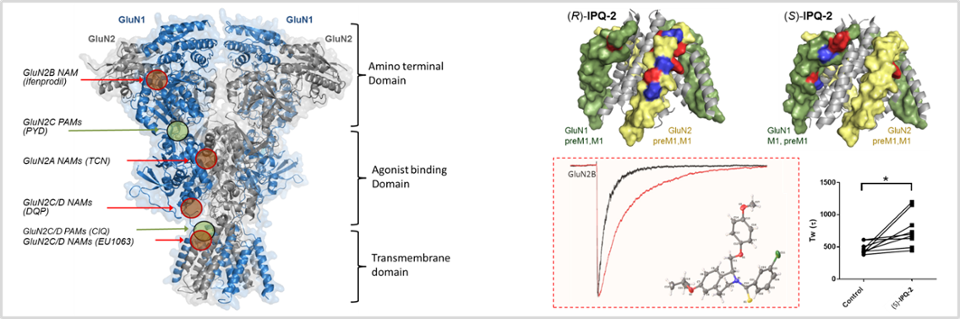
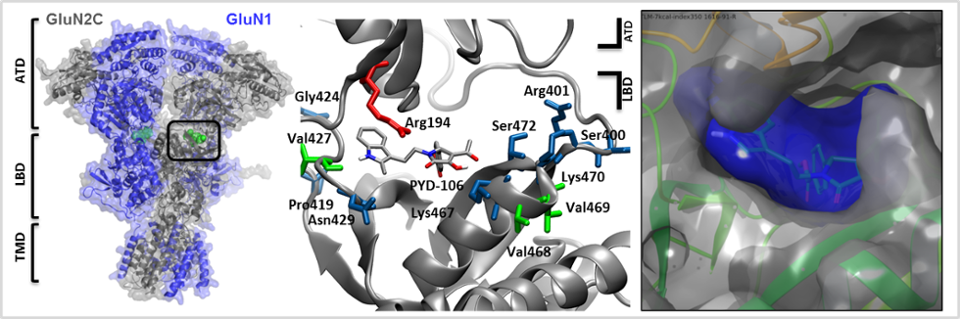
Novel Subunit-Selective Allosteric Modulators of NMDA Receptor
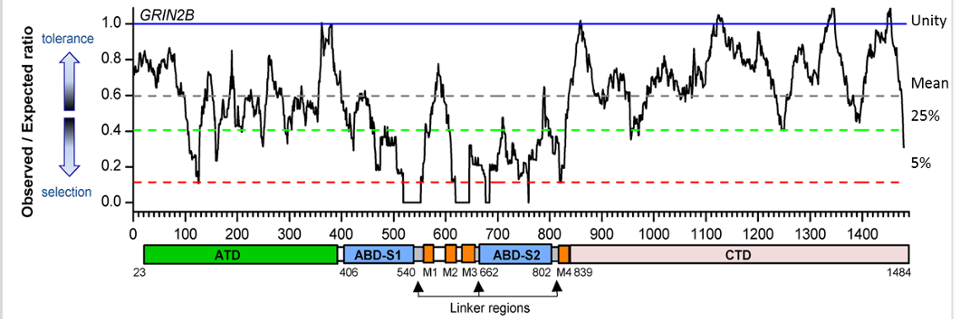
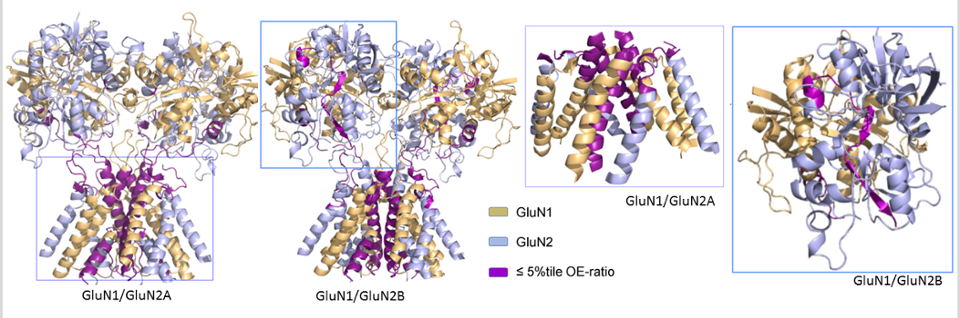
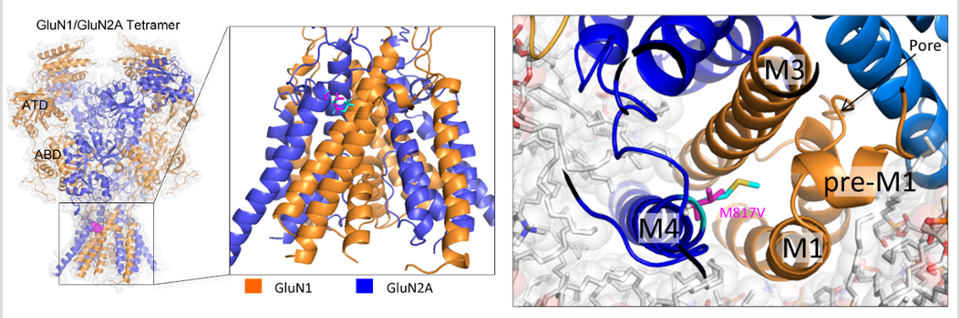
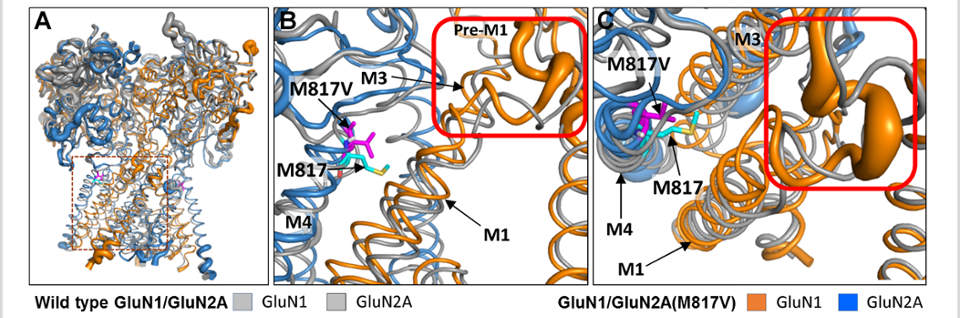
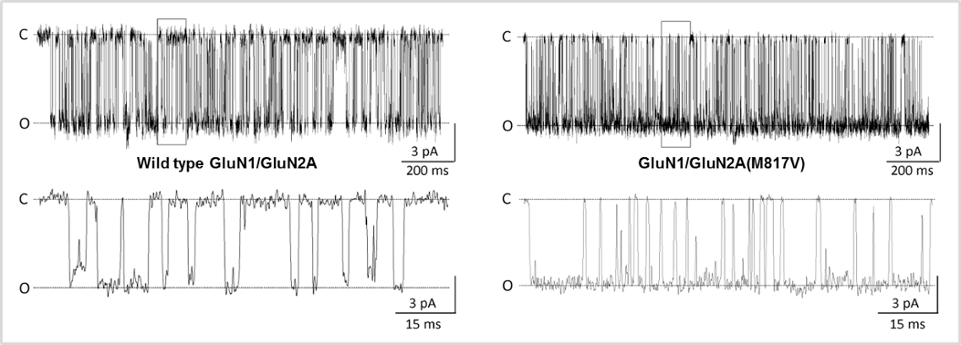
Functional Effects of Glutamate Receptor Mutations in Human Diseases
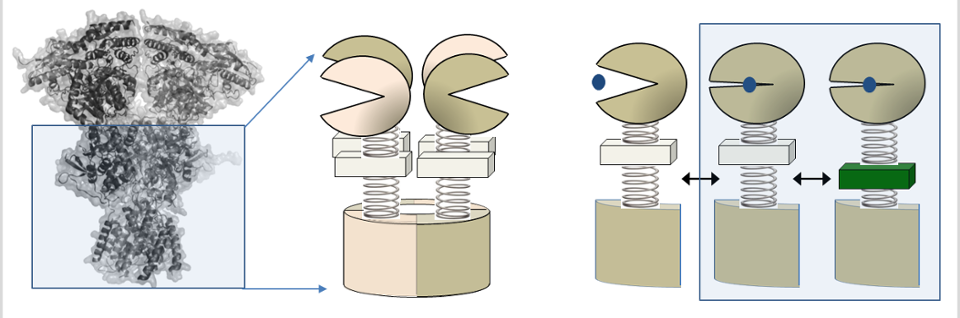
Mechanism of Glutamate Receptor Activation
Functional Roles of Protease Receptors in Central Nervous System
Allosteric Regulation fo Glutamate Receptors by Endogenous Modulators
Previously Published Studies
We have historically worked on the following topics, including several recent publications. We continue to be interested in these areas, and collaborate with
Neuroinflammation Controls Microglial Expression of Cell Surface Receptors
Control of Glutamate Receptor Ion Channel Function by Phosphorylation